
Living in a coastal historic city like New Bedford brings plenty of maritime charm, but the local humidity and older New England housing stock can sometimes invite unwanted indoor guests. When excess moisture settles into basements, crawlspaces, or behind drywall, mold can begin to colonize quietly and quickly. Recognizing when a musty odor or a small patch of discoloration requires expert intervention is essential for protecting your property value and your family’s health. If you have been searching for reliable mold removal new bedford ma solutions, understanding the subtle warning signs can save you from costly structural repairs down the road. Let us explore the definitive indicators that mean it is time to call in certified restoration professionals.
What Are the Top Signs of Mold Infestation in Coastal Homes?
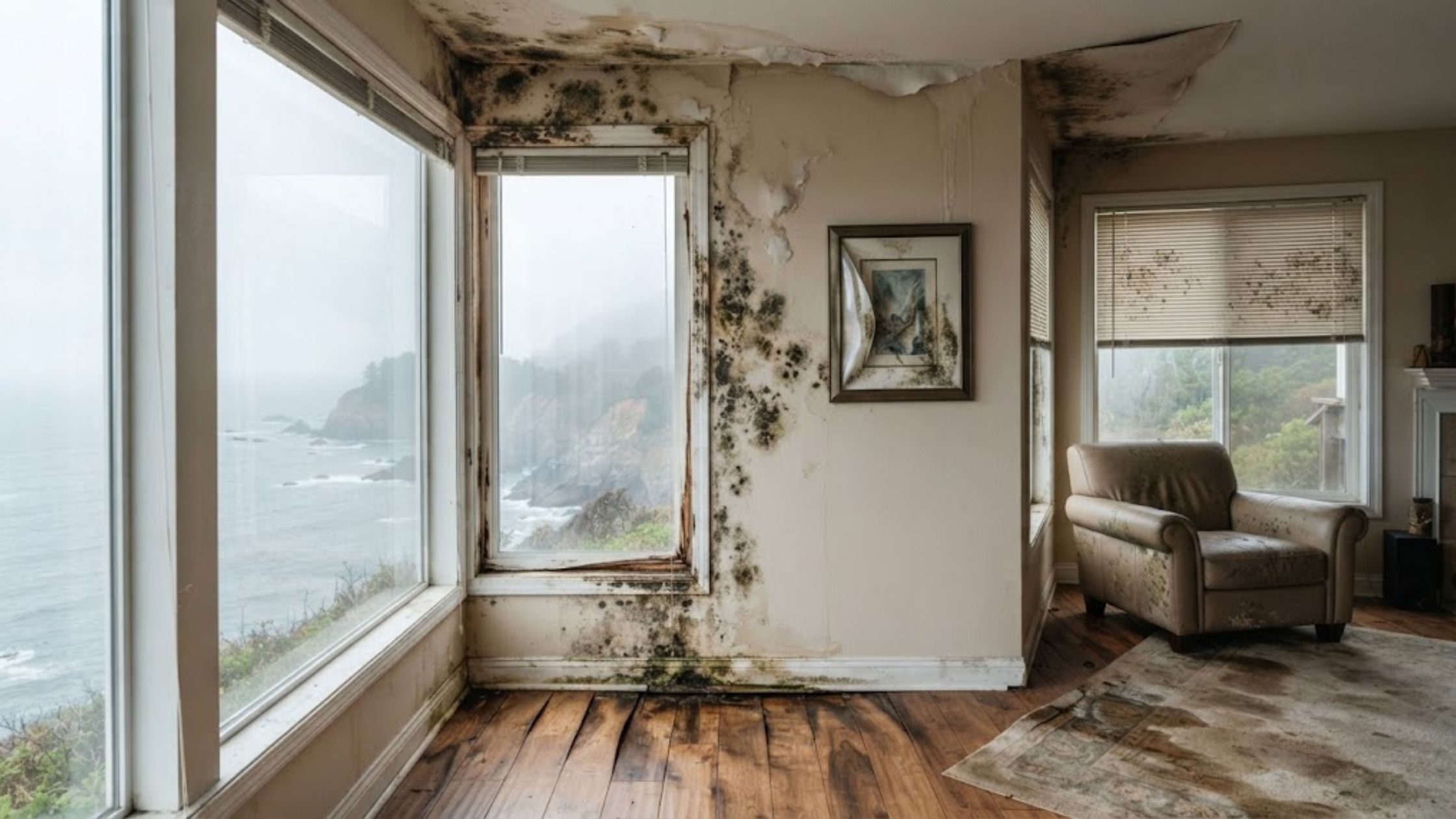
When evaluating your living space for biological growth, identifying the primary signs of mold infestation early makes all the difference in containment. Moisture is the ultimate catalyst for fungal spores, and homes in Bristol County frequently battle high relative humidity during transitional seasons. You might notice peeling wallpaper, warped wooden floorboards, or unexplained condensation pooling on interior window sills. These environmental triggers create ideal microclimates for mold spores to germinate and multiply out of sight.
Beyond visual cues, your sense of smell is often the earliest warning system you possess. A persistent earthy, damp, or musty odor that refuses to dissipate despite deep cleaning and ventilation usually points to hidden microbial growth. Air quality degradation often manifests physically as well, triggering sudden bouts of unexplained coughing, sinus congestion, or itchy eyes among household members. When these physical symptoms vanish the moment you leave the house and return upon entering, your indoor air environment likely harbors a hidden infestation.
How to Determine If You Need Professional Remediation Services
Deciding whether you can handle a cleanup project yourself or if you require professional mold remediation services New Bedford MA depends heavily on the scale and location of the growth. Small patches of surface mildew measuring less than ten square feet on non porous surfaces can often be managed with household cleaning agents and proper drying techniques. However, any contamination resulting from sewage backups, major roof leaks, or prolonged pipe bursts demands an immediate industrial response.
Trying to scrub extensive colonies with bleach often proves counterproductive because it only removes surface color while leaving the deep root system intact within porous materials. Furthermore, aggressive scrubbing without proper containment barriers can launch millions of microscopic spores into the air, spreading the contamination to pristine areas of your home. Trained technicians utilize specialized HEPA filtration vacuums and negative air pressure chambers to isolate the affected zone completely. This meticulous containment ensures that spores do not travel through your HVAC ductwork to contaminate other living spaces.
Why Black Mold Removal Requires Specialized Expertise
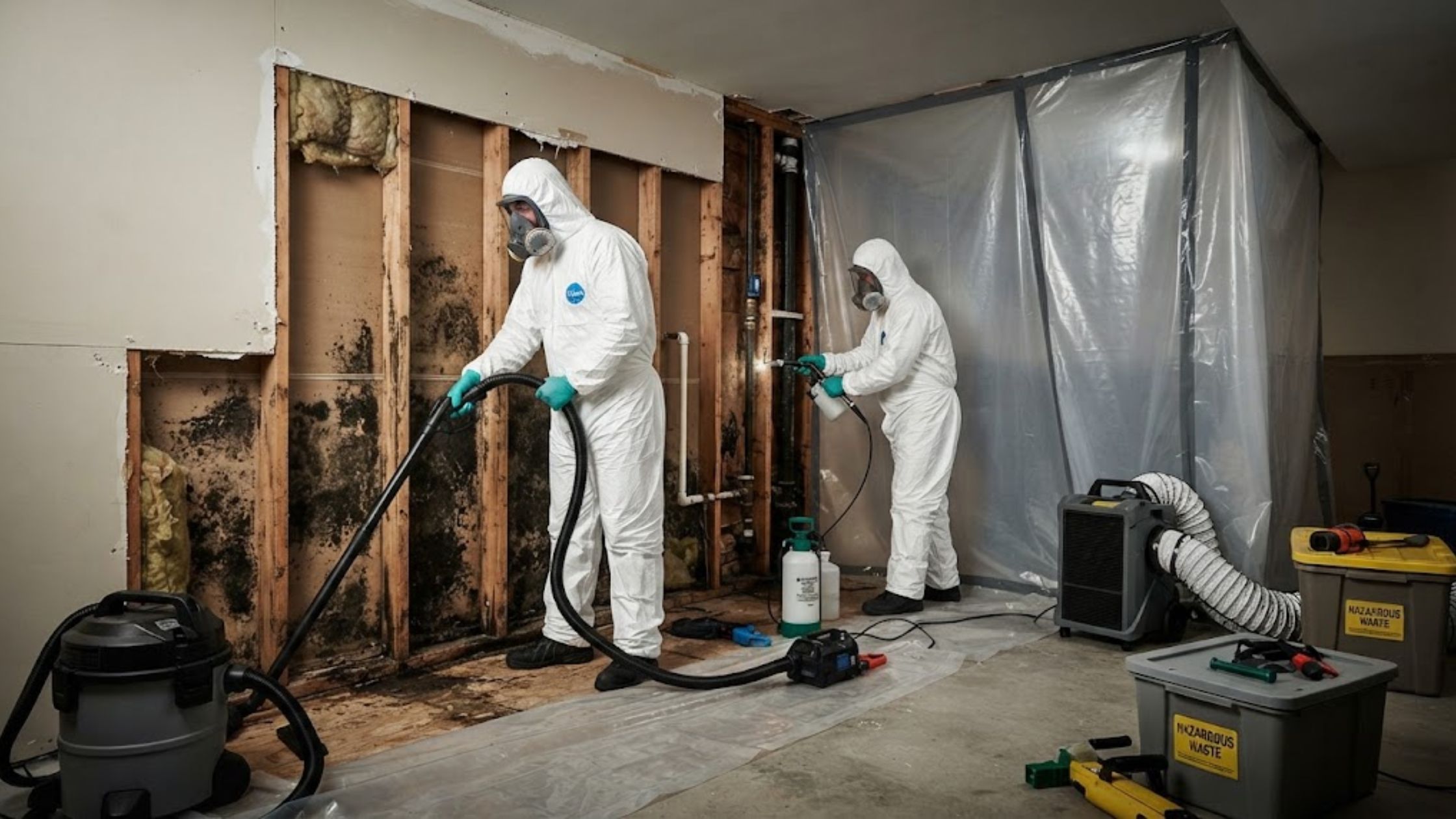
The presence of toxic strains such as Stachybotrys chartarum, commonly known as toxic black mold, introduces serious health hazards that require certified black mold removal New Bedford MA protocols. This greenish black, slimy fungus thrives in environments with constant moisture and feeds on cellulose rich materials like drywall, insulation, and ceiling tiles. Exposure to mycotoxins produced by these specific strains can cause severe neurological symptoms, chronic fatigue, and acute respiratory distress in vulnerable populations.
Professional mitigation specialists undergo rigorous training to handle hazardous biological materials safely and effectively. They wear personal protective equipment, including full face respirators and hazmat suits, to prevent direct dermal contact and spore inhalation. After physically removing contaminated porous debris, technicians apply EPA registered antimicrobial treatments to sanitize the underlying structural framing. They also address the root cause of the moisture intrusion, ensuring that the environment remains dry and inhospitable to future fungal growth.
| Indicator | Minor Surface Mildew | Major Mold Infestation |
| Affected Area | Less than 10 square feet | Greater than 10 square feet or hidden |
| Source | Surface condensation or humidity | Structural leaks, flooding, or plumbing failures |
| Odor Level | Mild or localized musty scent | Persistent, heavy, earthy stench throughout rooms |
| Appropriate Action | DIY cleaning with proper ventilation | Immediate call to professional restoration teams |
Evaluating Your Home Infrastructure and Hidden Vulnerabilities
Identifying Hidden Moisture Sources Behind Walls
Hidden leaks inside plumbing walls or roof assemblies can feed fungal colonies for months before becoming externally visible. Thermal imaging cameras and moisture meters allow technicians to map damp building cavities without tearing down drywall unnecessarily. Pinpointing the exact water source is just as important as killing the mold itself.
Assessing HVAC Systems and Ductwork Contamination
Your heating and cooling system can easily become a distribution highway for mold spores if moisture accumulates within the drip pans or duct insulation. Routine HVAC inspections help ensure your indoor air circulation remains clean and free of biological allergens. Professional duct cleaning and antimicrobial fogging can restore healthy airflow throughout your entire home.
Understanding the Importance of Post Remediation Verification
Once remediation work concludes, independent air quality testing provides definitive proof that spore counts have returned to normal baseline levels. This verification step guarantees that your indoor environment is completely safe for occupancy. Reputable local specialists stand by their workmanship and offer comprehensive clearance reports for your peace of mind.
To learn more about our comprehensive property restoration standards, visit Cyclone Cleaning & Restoration Services for detailed service overviews.
Frequently Asked Questions
How long does a typical mold remediation project take?
The duration of a mold removal project varies based on the extent of the contamination and the structural damage involved. Most residential jobs take anywhere from one to five days for complete containment, removal, and drying. Large commercial spaces or homes with severe structural rot may require additional time for reconstruction phases.
Will homeowners insurance cover the cost of mold removal?
Standard homeowners insurance policies typically do not cover mold remediation unless the growth is a direct result of a covered sudden peril, such as a burst pipe. Gradual leaks, maintenance neglect, and high humidity are usually excluded from coverage. It is always best to review your specific policy details or consult your insurance agent directly.
Can I stay in my home during the mold removal process?
For small isolated areas, staying in your home is usually safe provided proper containment barriers are maintained by the technicians. However, if extensive demolition is required or toxic black mold is present in high concentration areas, temporary relocation is recommended. Your restoration provider will advise you on safety precautions based on the initial assessment.
Our experienced team is always ready to share insights into our professional background by checking out our About Us page to meet the experts behind the work.
How do professionals prevent mold from returning after cleanup?
True prevention requires eliminating the moisture source that caused the fungal growth in the first place. Technicians install commercial grade dehumidifiers, seal exterior cracks, repair plumbing leaks, and improve attic or crawlspace ventilation. Applying antimicrobial sealants to framing lumber also provides an active barrier against future colonization.
Is DIY mold removal safe for small bathroom patches?
Cleaning small patches of shower tile grout or window sill mildew using vinegar or commercial mold sprays is generally safe for homeowners. Always wear rubber gloves and a face mask to protect yourself from direct spore contact during the process. If the patch returns repeatedly, it indicates an underlying moisture leak that requires professional investigation.
You can also browse through our completed restoration projects by visiting our Gallery to view our commitment to quality craftsmanship.
Taking the Next Step Toward a Healthier Indoor Environment
Protecting your home from the damaging effects of fungal growth requires vigilance, prompt action, and partnership with trusted local specialists. Ignoring early warning signs only allows colonies to expand, compromising your building materials and potentially impacting your family’s health. When you need dependable mold removal new bedford ma, trusting experienced professionals ensures the job is done thoroughly and safely.
If you suspect mold growth or notice persistent moisture issues in your residence, do not hesitate to reach out for expert guidance today. You can easily connect with our dedicated team by visiting our Contact page to schedule a professional property assessment. Cyclone Cleaning & Restoration Services stands ready to restore your peace of mind and ensure your living space remains clean, dry, and safe.